
Customers may discover a product on social media, compare it on a phone, place an order on a website, pick it up at a store, and later request a return through customer service. A service business may take a deposit through a payment link, collect the balance on a mobile...
End-to-End Encryption Explained

Digital information passes through many systems before reaching its destination. A private message may travel through a device, local network, internet service, routing infrastructure, application servers, notification services, and the recipient’s network. Payment information, business documents, support conversations, and account records may follow similarly complicated paths. End-to-end encryption is designed...
Building a Scalable Payment Infrastructure
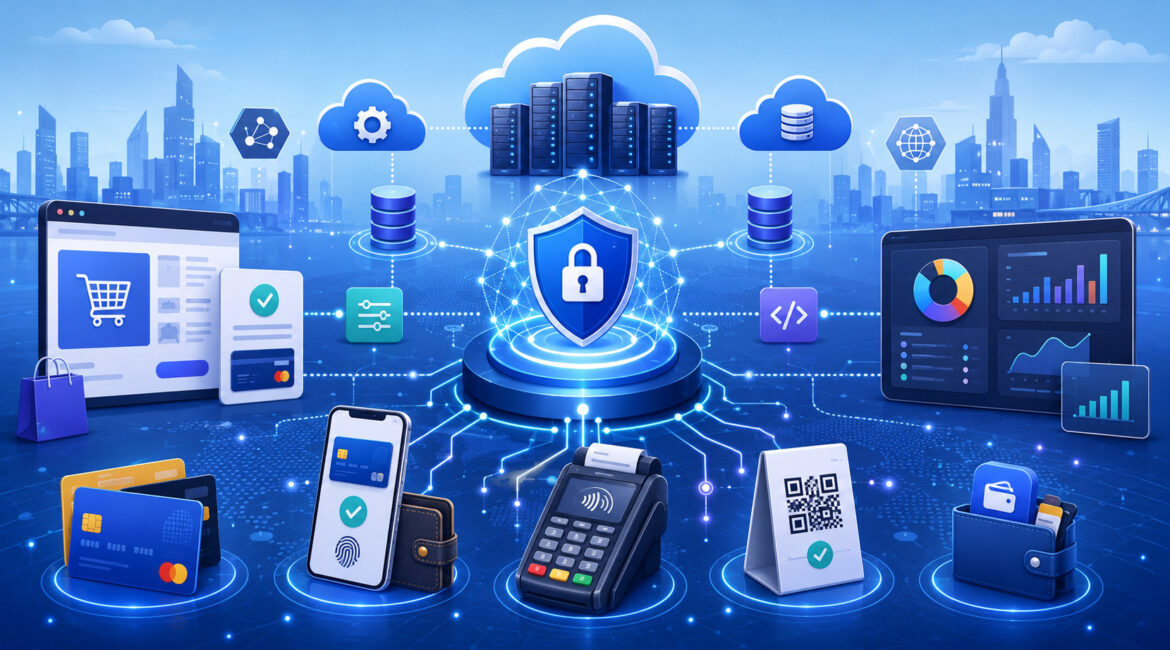
Building a scalable payment infrastructure is one of the most important operational steps a business can take as sales volume, customer expectations, and payment complexity increase. At the beginning, a business may only need a basic way to accept card payments. As it grows, the same payment setup must support...
Why Merchant Applications Get Declined

Getting approved to accept card payments is not always automatic. A business may submit a payment processing application expecting quick approval, only to receive a request for more documents, a conditional approval, or a denial. That can feel frustrating, especially for a new business owner who simply wants to accept...
Payment Authorization vs Settlement Explained
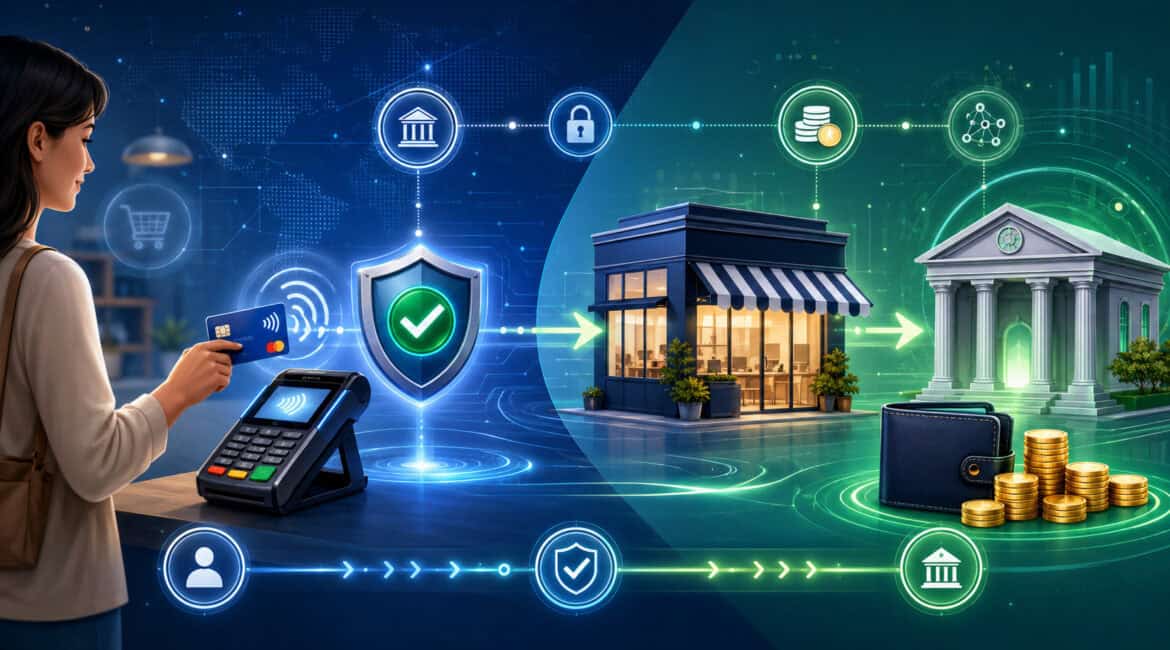
Understanding payment authorization vs settlement is important for any business that accepts card payments, online payments, mobile payments, invoices, or POS transactions. A customer may see a transaction approved in seconds, but that does not always mean the merchant has already received the money. Authorization and settlement are connected steps,...
Credit Card Transaction Flow Explained
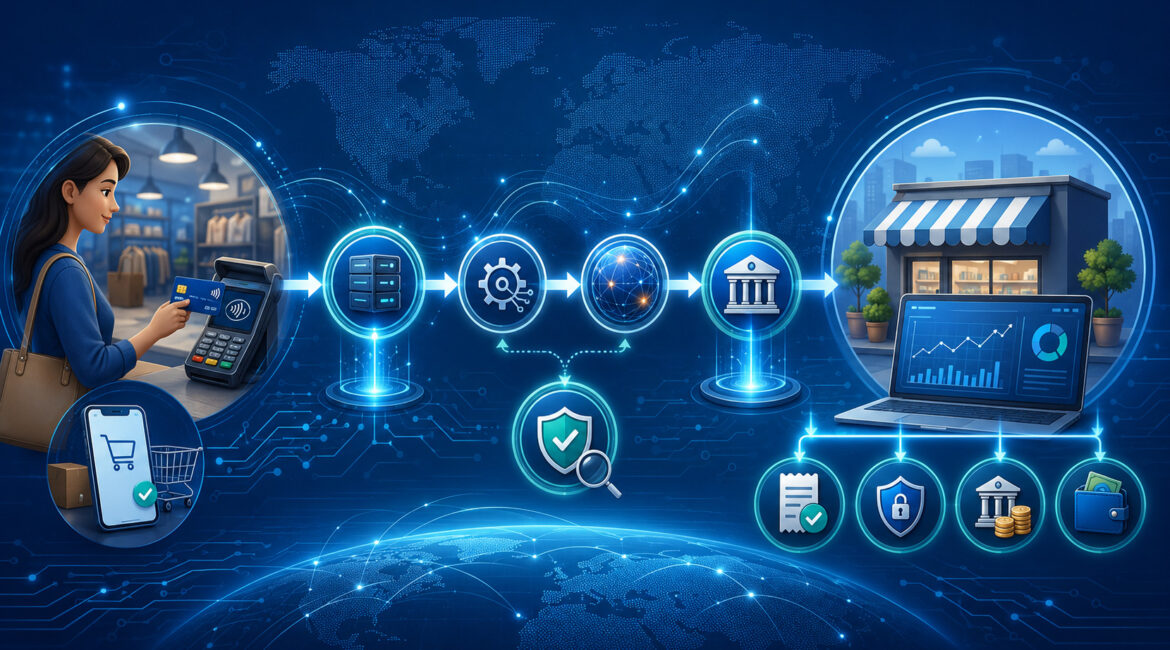
Credit card transaction flow is the journey a card payment takes from the moment a customer pays to the moment the merchant receives funds. At checkout, it can look instant. A customer taps, inserts, swipes, keys in, or enters card details online, and within seconds the screen says approved or...
How Payment Networks Process Transactions
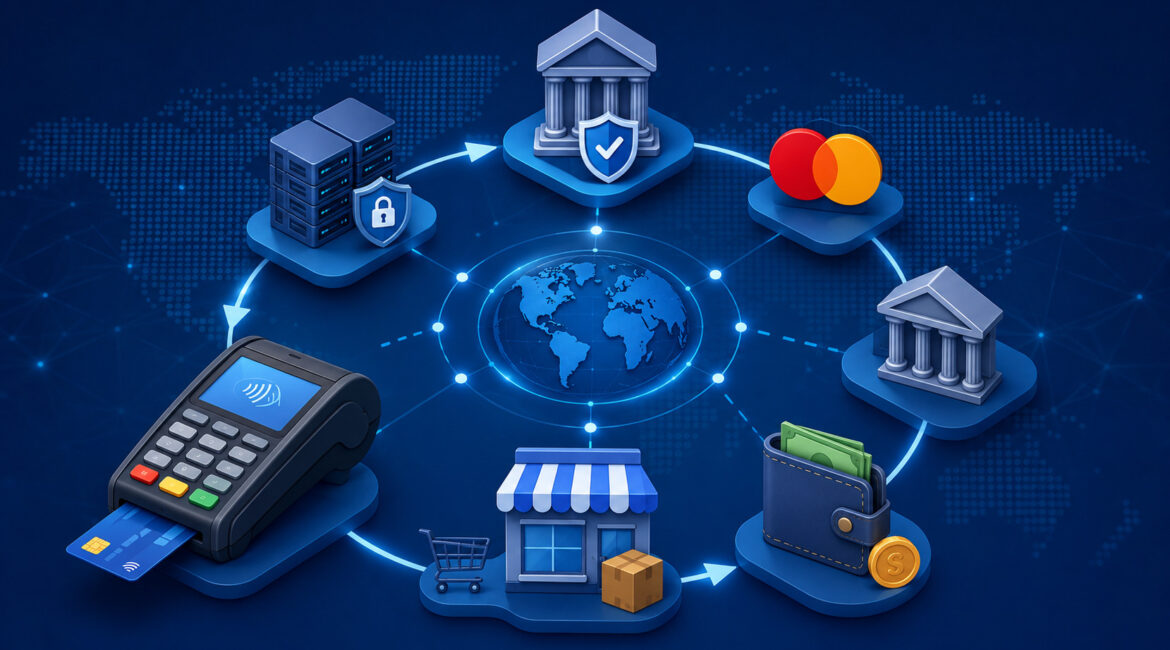
Payment cards feel instant at the checkout counter, but a lot happens between the moment a cardholder taps, dips, swipes, keys in, or submits card details and the moment a merchant receives funds. To understand how payment networks process transactions, it helps to see card payments as a coordinated message...
Merchant Statement Audits Explained

Merchant statement audits help business owners understand what they actually pay to accept card payments. A merchant statement can look like a mix of sales totals, deposits, adjustments, card types, processing fees, chargebacks, and technical fee descriptions. Without regular review, it is easy to miss billing changes, reconciliation issues, rising...
Understanding Payment Settlement Cycles: A Practical Guide for Businesses
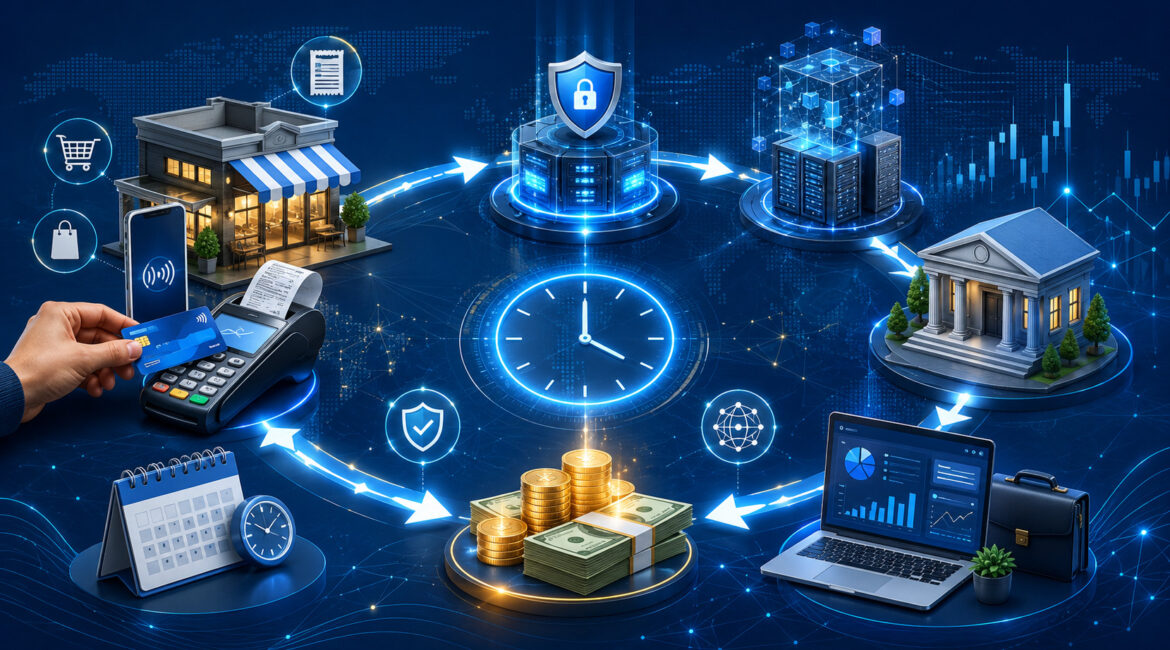
Payment settlement cycles are the behind-the-scenes timelines that determine when a completed customer payment turns into usable money in your business bank account. A sale may look finished when a customer taps a card, submits an online checkout, or authorizes an ACH payment, but the money does not instantly move...
Understanding Surcharging vs. Cash Discount Programs
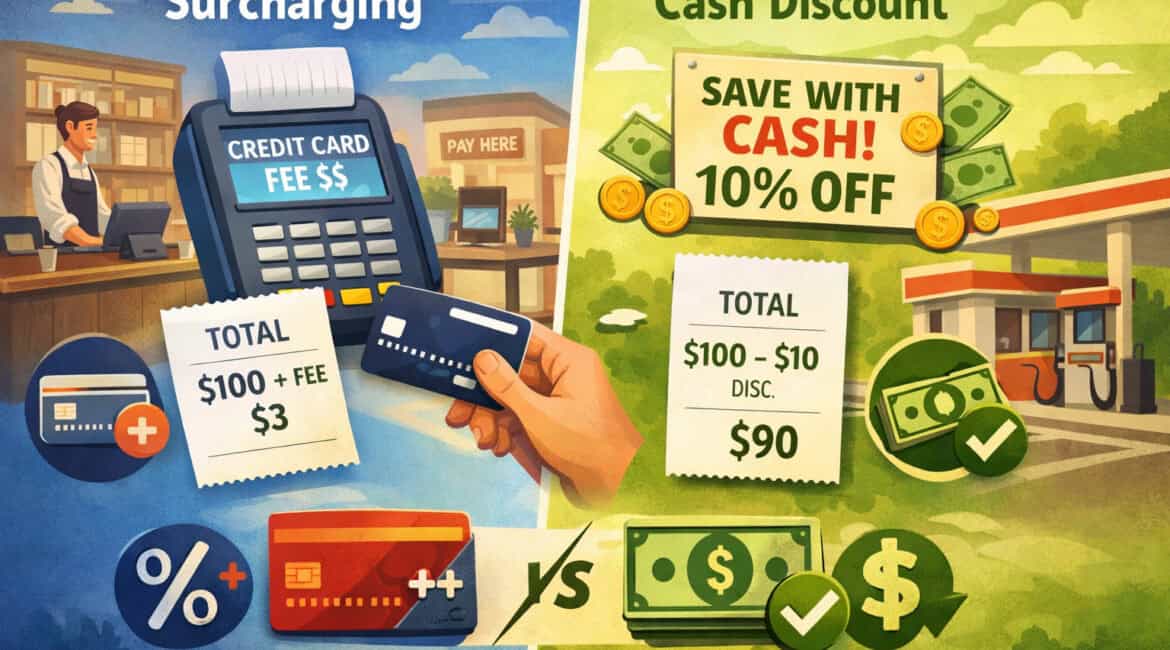
Card acceptance makes it easier to get paid, but it also eats into margins. For many business owners, processing fees feel like a cost that keeps rising quietly in the background until it starts showing up in pricing decisions, staffing, or cash flow. That is why the conversation around surcharging...