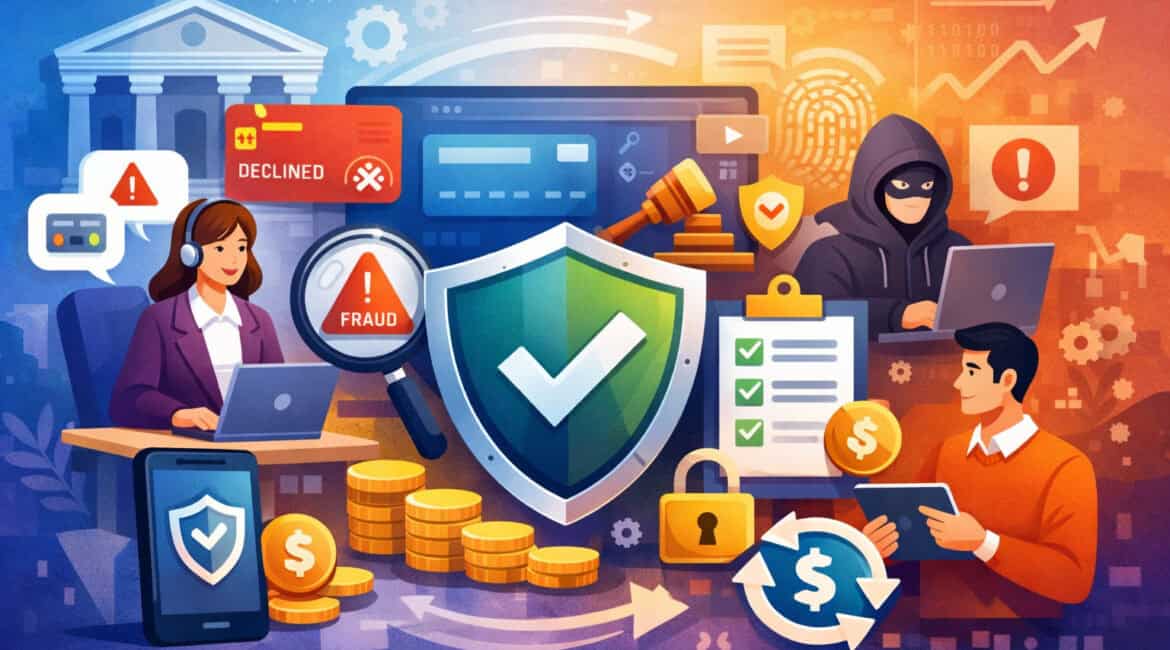
Chargebacks can quietly drain revenue, increase payment risk, and create operational headaches long before a business realizes how serious the problem has become. One dispute might look manageable on its own, but repeated chargebacks can lead to lost sales, extra fees, damaged customer relationships, and pressure from payment providers. That...
SNAP Online Purchasing for Retailers: Eligibility, LOI Process, Tech Integration, and Ongoing Compliance

SNAP online purchasing has revolutionized how families procure their groceries. From a pilot program, the initiative has grown into a nationwide option for approved retailers. Through the program, customers can use EBT cards to order groceries online, offering fresh avenues for stores willing to go the extra mile to meet...
What Is PCI Compliance and Why It Matters
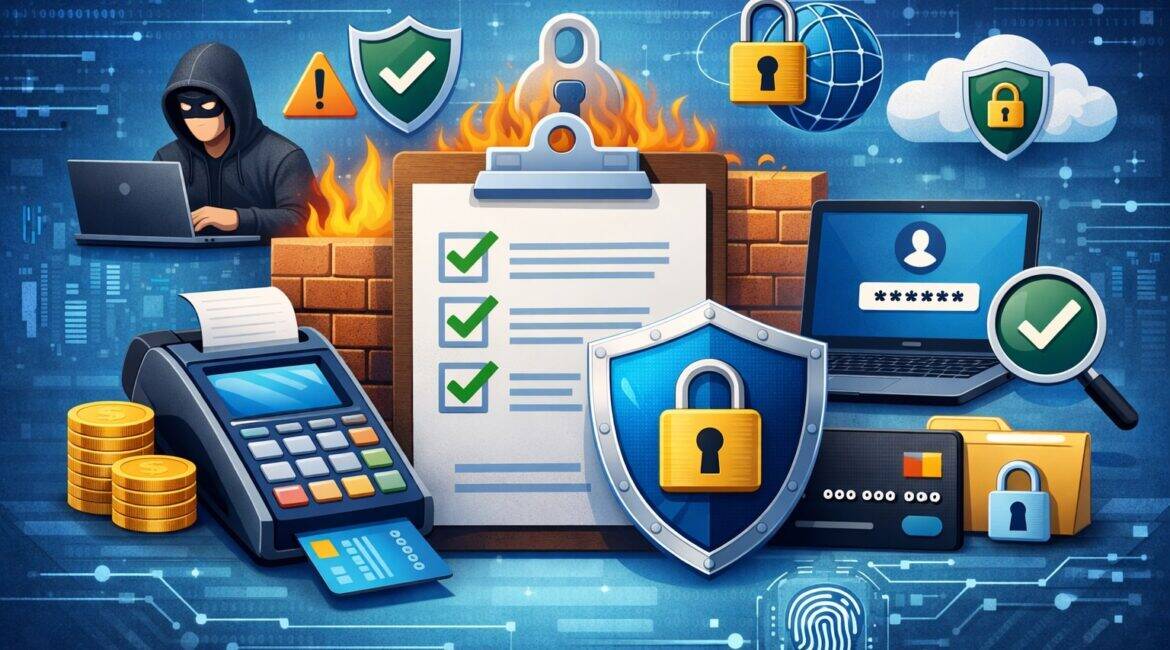
PCI compliance (short for Payment Card Industry compliance) is the ongoing process of meeting the PCI Data Security Standard (PCI DSS)—a set of security requirements designed to protect payment account data and reduce card fraud. PCI compliance applies to any business that stores, processes, or transmits cardholder data, whether you...
Payment Gateway vs Merchant Account: Differences Explained

If you accept cards online, you’ll eventually run into the same confusion: payment gateway vs merchant account—are they the same thing, do you need both, and why do some providers bundle everything into one checkout button? Here’s the simplest way to think about it. A payment gateway is the technology...
How Credit Card Processing Works: Complete Updated Guide

Credit cards feel simple to use—swipe, dip, or tap and you’re done. Behind that simple moment, though, is a complex credit card processing system moving data, verifying security, and transferring money in seconds. This guide explains how credit card processing works, step by step, using plain language but staying detailed...
Interchange Optimization for B2B Merchants: How Level 2 & 3 Data Can Cut Credit Card Fees

B2B transactions have unique payment challenges, especially when it comes to credit card processing. While consumer-facing businesses often deal with small-ticket transactions and frequent swipes, B2B merchants typically handle large invoices, purchase orders, and commercial cards. This difference in scale and complexity makes interchange fees a much more significant cost...
SNAP and EBT: What’s the difference?

SNAP and EBT are common terms when talking about government assistance in the United States but are often used as if they are synonymous, confusing whether they mean the same or are referring to two separate programs. This is a distinction that is of utmost importance to the beneficiaries, retailers,...
Understanding EBT Merchant Services: Everything You Need to Know to Get Started

Electronic Benefits Transfer (EBT) merchant services play a crucial role in helping businesses accept payments from customers who rely on government assistance programs like the Supplemental Nutrition Assistance Program (SNAP). If you run a retail store, farmer's market, or another type of food business, understanding how EBT merchant services work...
The Future of Payment Processing: Trends in EBT and Digital Transactions
The way we pay for goods and services has transformed dramatically in recent years. From cash and checks to digital wallets and cryptocurrency, payment processing is evolving at a rapid pace. One of the most significant advancements has been the expansion of digital transactions and Electronic Benefits Transfer (EBT) systems....
How Merchant Services Can Help Small Businesses Accept EBT Payments Seamlessly

Electronic Benefits Transfer (EBT) payments have become an essential part of the retail ecosystem, especially for businesses catering to low-income households. With the rise of the Supplemental Nutrition Assistance Program (SNAP), small businesses must adopt EBT payment systems to serve a broader customer base. However, integrating EBT payments can seem...