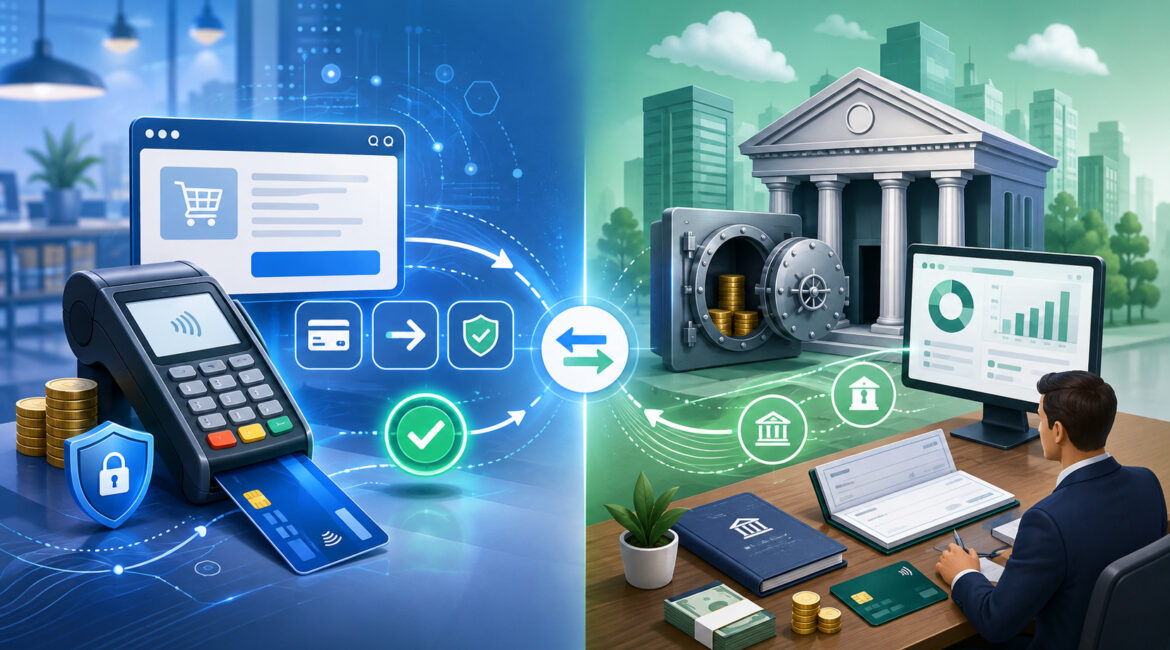
Accepting electronic payments and managing business money are closely connected activities, but they are not the same job. A merchant account supports the authorization, processing, and settlement of card transactions, while a business bank account stores usable funds and supports routine financial operations such as payroll, rent, purchasing, taxes, and...
Merchant Account vs Payment Processor Explained
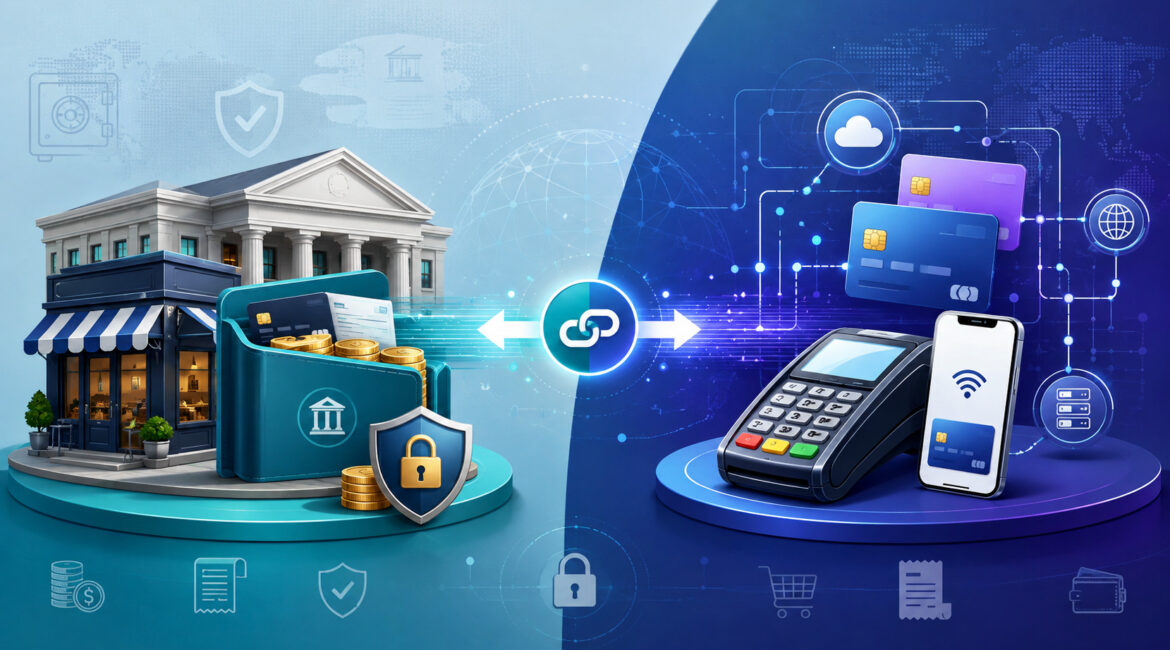
Accepting a card, digital wallet, bank transfer, or recurring electronic payment may look instantaneous at checkout. Behind the customer’s tap or click, however, several systems exchange transaction data, assess risk, approve or decline the request, calculate fees, move funds, and create records for later reconciliation. Two of the most important...
How Merchant Accounts Get Approved

Merchant account approval is the review process businesses go through before they can accept card payments through a dedicated merchant account. For many owners, the application can feel confusing at first because it asks for business details, banking information, owner verification, website policies, processing estimates, and sometimes financial records. The...
How Merchant Account Reserves Actually Work
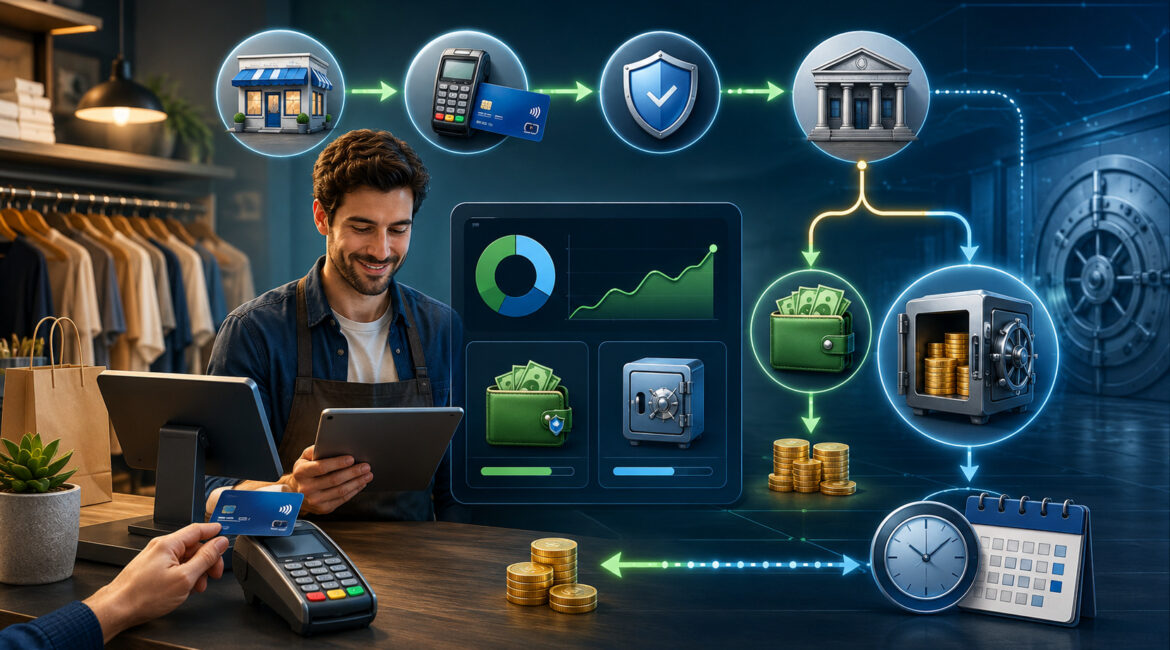
Merchant account reserves can be confusing the first time a business sees money withheld from card processing deposits. A merchant may process sales, expect the full batch to settle, and then notice that only part of the money arrived in the bank account. The missing amount may not be a...
Interchange-Plus Pricing Explained: A Practical Guide for Businesses

Interchange-plus pricing is one of the most transparent credit card processing pricing models available to businesses that accept card payments. It separates the real pass-through costs of each transaction from the payment processor’s markup, making it easier to see what you are paying, why you are paying it, and which...
Long-Term Merchant Account Management: A Practical Guide for Businesses

Long-term merchant account management is the ongoing work of keeping your payment processing setup healthy, accurate, secure, and aligned with how your business actually operates. Getting approved for a merchant account is only the beginning. After approval, the account needs regular attention so that fees, deposits, chargebacks, payment technology, compliance...
Understanding Merchant Service Agreements: A Practical Guide for Businesses

Merchant service agreements are one of the most important documents a business reviews when it starts accepting card payments, online payments, mobile payments, or other forms of electronic business payments. Yet many owners sign them quickly because they are eager to start processing transactions, upgrade a point-of-sale system, launch an...
Understanding Merchant Account Approval Requirements: A Practical Guide for Businesses
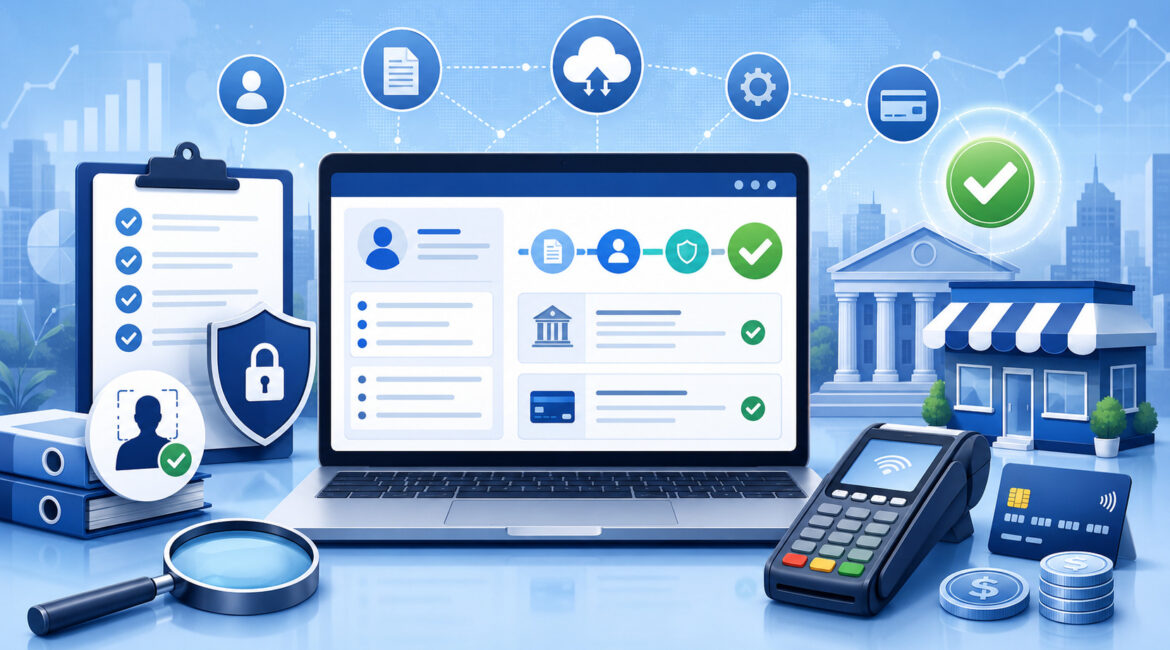
Getting approved for a merchant account can feel complicated when you are not sure what underwriters are looking for. One provider may ask for a few basic details, while another may request bank statements, processing history, website updates, licenses, financial statements, or additional explanations about your products and services. That...
Merchant Services Setup Checklist for Businesses
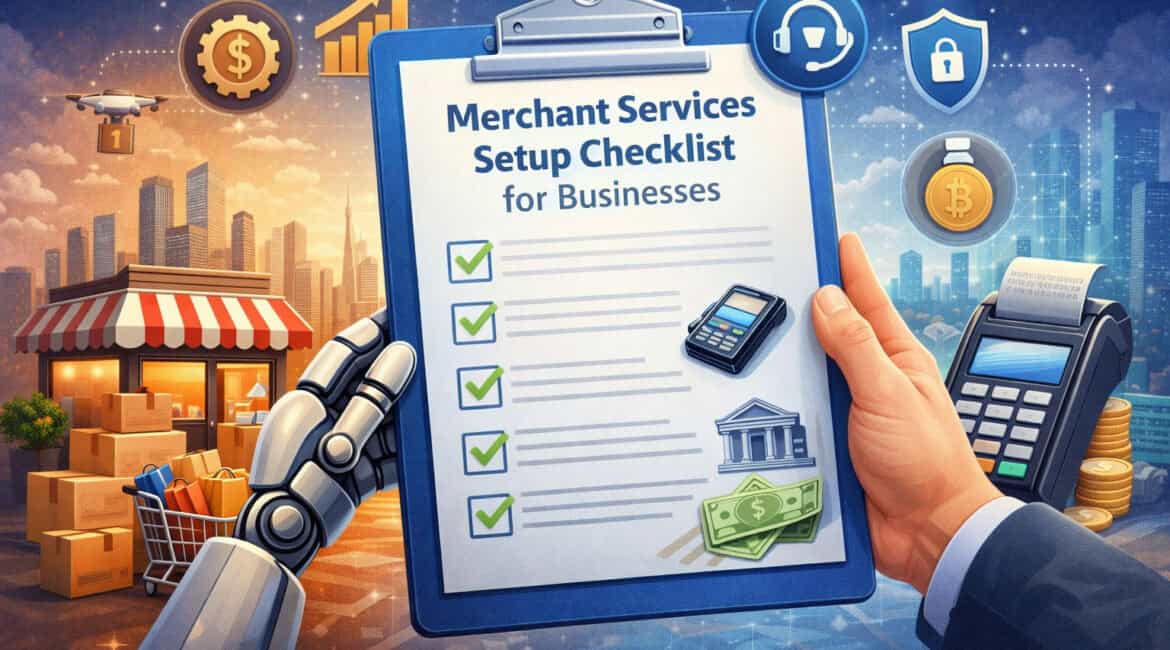
If you want payments to feel effortless for customers and predictable for your cash flow, you need more than “a processor.” You need a repeatable merchant services setup checklist that covers pricing, hardware, software, compliance, fraud controls, and ongoing optimization. This guide walks you through a complete merchant services setup...
Merchant Services vs Payment Processing: Key Differences
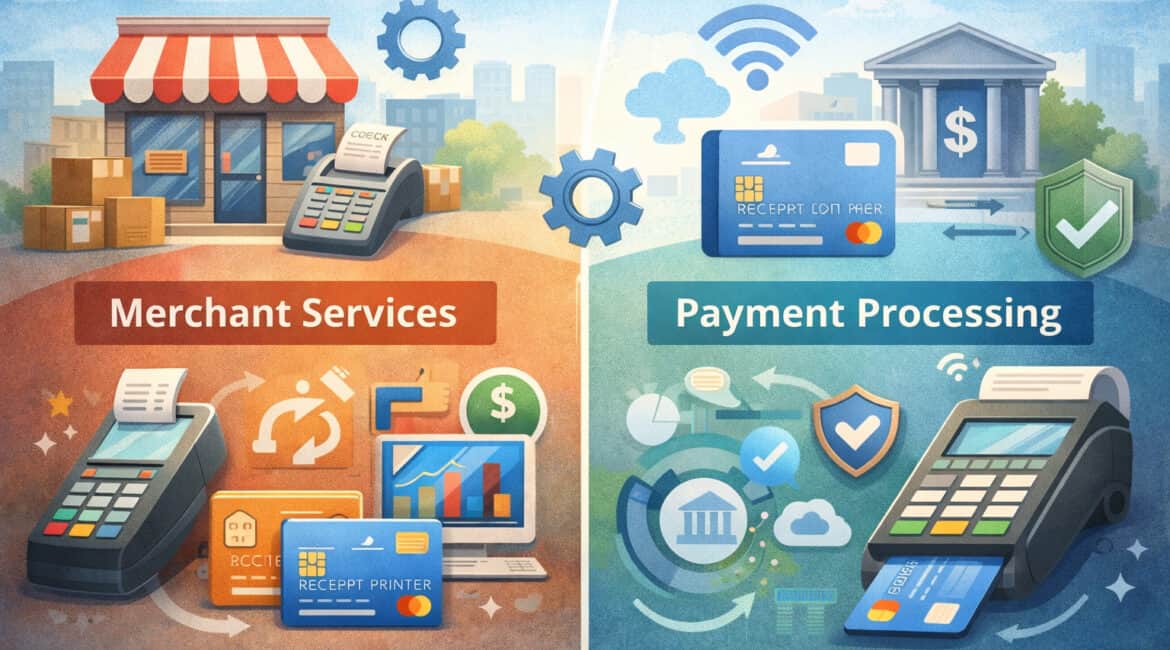
If you’ve ever compared providers and felt like every website uses the same words differently, you’re not imagining it. “Merchant services” is often used as a broad umbrella term, while “payment processing” is usually one specific part of the money-movement engine. The problem is that many providers market themselves as...